
How to Safely Sell CGM Sensors: Step-by-Step Guide
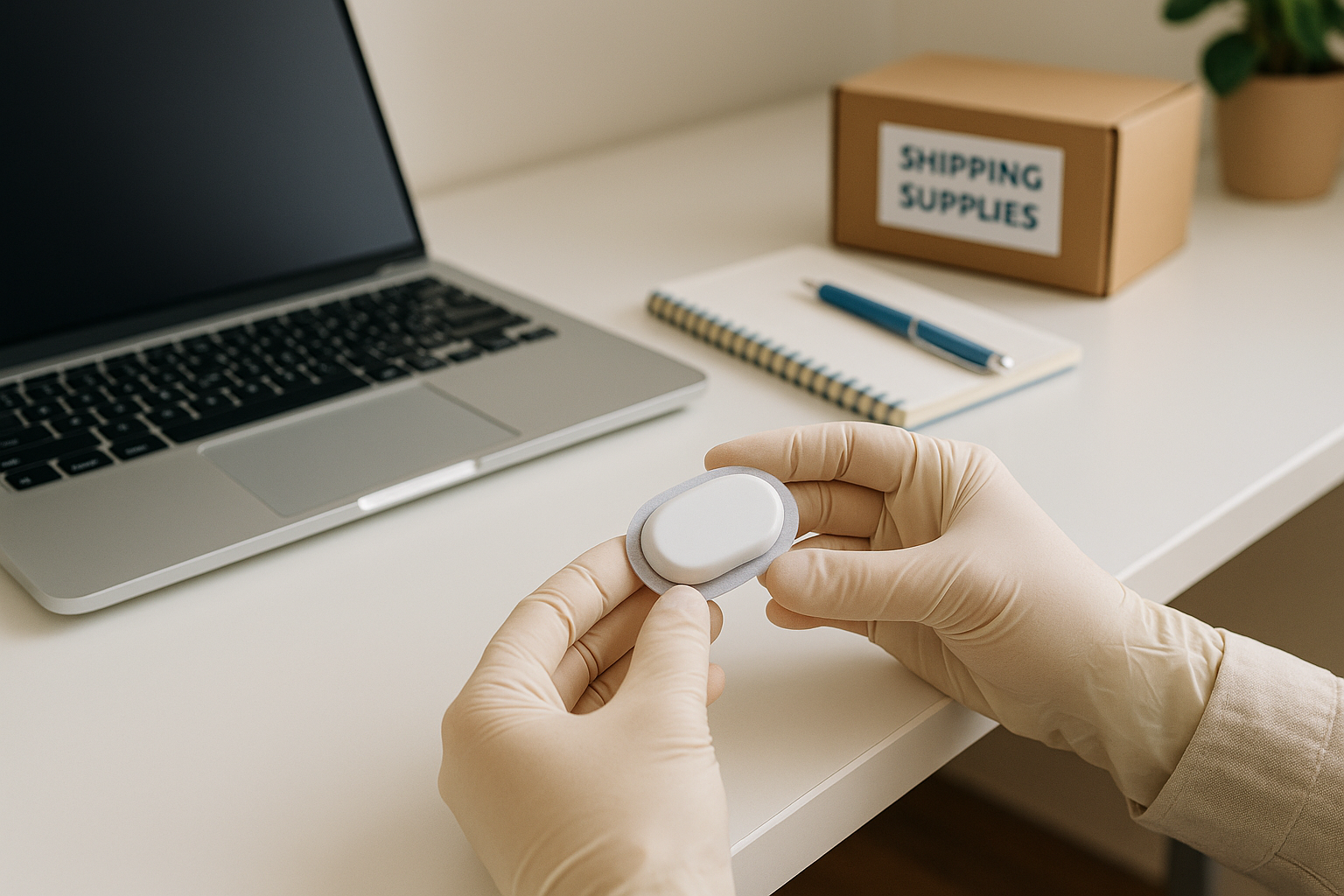
Got extra CGM sensors? Selling them can benefit others while earning you cash. Here’s how to do it safely and legally:
- Check Quality: Only sell unopened, unexpired sensors. Buyers prefer at least 4-6 months before expiration.
- Follow Legal Rules: Ensure sensors are FDA-approved, properly stored, and not from government-funded programs like Medicare.
- Choose Reliable Buyers: Work with trusted companies offering secure payments and clear policies.
- Package and Ship Correctly: Use insulated packaging, maintain temperature control, and include tracking.
- Keep Records: Document sales, payments, and shipping for legal compliance and tax reporting.
Quick Market Prices:
| Brand | Price Range |
|---|---|
| Freestyle | $15 - $20 |
| Dexcom | $50 - $150 |
| Omnipod | $30 - $50 |
Selling CGM sensors safely ensures they remain effective and helps others access affordable diabetes management tools.
💲The Cheapest Continuous Glucose Monitors in 2023
1. Check Sensor Quality
Inspecting the condition of your sensors is a key step to ensure buyer confidence and compliance with safety standards. Start by verifying expiration dates and assessing the overall packaging quality to determine if the sensors are suitable for resale.
Check Expiration Dates
The expiration date plays a major role in resale value. Most buyers prefer sensors with at least 4 months remaining before expiration, and some are willing to pay more for sensors with 6 months or more of shelf life left.
Here’s where to find expiration dates:
- Dexcom Sensors: Look for the expiration date on the outer box.
- FreeStyle Libre Sensors: Check both the sensor pack and the outer packaging.
- Note: Dexcom G6 and G7 receivers do not have expiration dates.
Examine Package Condition
The condition of the packaging is just as important as the sensor itself. Intact factory seals, clear labels, and legible lot numbers are essential to confirm authenticity and quality. When inspecting the packaging:
- Ensure factory seals are unbroken.
- Verify labels and lot numbers are intact and easy to read.
- Look for signs of damage, moisture, or tampering.
| Package Condition | Resale Suitability |
|---|---|
| Factory sealed, pristine | Excellent – highest value |
| Sealed, minor shelf wear | Good – acceptable for sale |
| Damaged or opened | Not suitable for resale |
Record Sensor Information
Documenting sensor details is critical for an organized and smooth sale process. Take clear photos that capture the following:
- The front and back of the packaging.
- Expiration dates.
- Lot numbers.
- Factory seals.
- Any identifying markings.
Maintain detailed records for each sensor, including its quantity and condition. This information not only helps in discussions with potential buyers but also ensures you can track your inventory and confirm that all items meet the agreed-upon conditions during the sale.
2. Legal Requirements
To safely resell CGM sensors, compliance with FDA and state regulations is essential.
FDA and State Rules
CGM sensors are classified as medical devices by the FDA, which means their sale and distribution are subject to strict guidelines. Here's a breakdown of the key requirements:
| Requirement Type | Details |
|---|---|
| Device Status | Sensors must be new, unopened, and FDA-authorized for sale in the U.S. |
| Storage Conditions | Proper storage in a temperature-controlled environment as specified by the manufacturer is mandatory. |
| Documentation | Original packaging must include intact lot numbers and expiration dates. |
| Prescription Status | Some states may impose specific rules for reselling prescription devices. |
"By using products that have not been reviewed by the agency for safety and effectiveness, patients with diabetes may be putting themselves at risk for serious injury or even death".
Following these legal standards is critical to ensure compliance and user safety. Below are some safe selling practices to help meet these requirements.
Safe Selling Standards
- Verify Funding Source: Avoid selling sensors obtained through Medicare, Medicaid, or other government assistance programs.
- Maintain Original Packaging: Ensure factory seals and packaging remain intact.
- Follow Storage Requirements: Store sensors according to the manufacturer's guidelines.
- Document Chain of Custody: Keep detailed transaction records to comply with legal obligations.
The American Diabetes Association highlights the risks of mishandling CGM sensors:
"You could be greatly overusing or underusing insulin" because of an incorrect result. "That's where it would be a really critical health issue." – Matt Petersen, vice president of medical information for the ADA.
Important Safety Guidelines
- Always keep the original packaging intact.
- Store sensors as instructed by the manufacturer.
- Maintain a clear chain of custody for all transactions.
- Ensure proof of legal acquisition is readily available.
Selling unauthorized or improperly handled CGM sensors not only poses safety risks but can also lead to legal consequences. The FDA strongly discourages the sale of pre-owned or unauthorized medical devices due to their potential dangers.
3. Find a Reliable Buyer
After meeting all legal requirements, the next step is finding a trustworthy buyer for your diabetic test strips.
Verify Buyer Credentials
It's crucial to work with buyers who are transparent and have a proven track record. Here's what to check:
| Verification Criteria | What to Look For |
|---|---|
| Business History | A well-established company with a verifiable physical address |
| Communication | Responsive customer service and direct phone support |
| Payment Methods | Secure and documented payment processes |
| Legal Compliance | Clear policies about acceptable products |
| Seller Protection | Shipping with tracking and insurance options |
A great example of a buyer meeting these standards is Two Moms Buy Test Strips. They emphasize their dedication to sellers:
"We are committed to being the best company you can sell your diabetic test strips to, and we offer you the highest pricing, cash for test strips, with the fastest payment and best communication over any other. We actually answer our phone when you call!"
Review Payment Terms
When choosing a buyer, secure and quick payments should be a priority. Look for these features:
- Transparent pricing: Upfront quotes that allow easy comparisons
- Fast payment processing: Payments issued promptly after receiving your items
- Secure transactions: Safe and reliable payment methods
- Consistent communication: Updates at every step of the process
Two Moms Buy Test Strips highlights their focus on keeping sellers informed:
"We will notify you every step of the way when you sell us your test strips so you will never have to wonder when, or if, your payment is coming."
Red Flags to Watch Out For
Stay alert to potential scams or unreliable buyers. Warning signs include:
- Requests for advance payments
- Interest in government-issued supplies
- Vague or unclear pricing
- Demands to purchase shipping materials
Taking the time to verify buyer credentials and payment terms protects your efforts and ensures a smooth, secure transaction.
sbb-itb-45550f4
4. Ship Your Sensors
Package Sensors Correctly
To ensure your sensors arrive safely and maintain their quality, proper packaging is a must. Following FDA standards not only helps preserve the integrity of the sensors but also ensures compliance with shipping regulations.
Key Packaging Requirements:
- Keep sensors in their original sterile packaging with tamper-evident seals.
- Maintain a controlled temperature range of 35.6°F–46.4°F (2°C–8°C).
- Use medical-grade materials like thermoformed plastic trays or foil pouches.
For outer packaging, choose rigid corrugated cardboard boxes with an ECT rating of 32 or higher. Studies show these boxes reduce sensor damage by 78% compared to standard ones.
Temperature Control Guidelines:
- Use insulated Styrofoam containers with 2-inch foam walls for added protection.
- Include frozen gel packs to maintain the required temperature range.
- Add temperature monitoring devices to track compliance during transit.
| Component | Specification | Purpose |
|---|---|---|
| Outer Box | ECT 32+, 200 lbs burst strength | Protects against impacts |
| Insulation | 2-inch foam walls | Maintains temperature stability |
| Temperature Control | Frozen gel packs | Keeps temperature within range |
| Monitoring | Temperature tracking device | Ensures compliance |
After ensuring the sensors are securely packaged and temperature is controlled, the next step is to choose a reliable shipping method.
Choose Shipping Methods
According to FDA analysis, 92% of sensor damage occurs due to poor temperature control during transit. Selecting a shipping carrier with expertise in handling medical devices is essential.
Top Shipping Option:
FedEx Priority Overnight® provides several features tailored for medical shipments:
- 24/7 shipment monitoring through Priority Alert.
- Temperature-controlled packaging to maintain the required range.
- Insurance coverage of up to $150,000 per package.
- Real-time tracking and notifications for added peace of mind.
Labeling and Documentation:
Proper labeling and documentation are critical for safe and compliant shipping. Be sure to:
- Label the package as "Medical Device – Maintain 35.6°F–46.4°F".
- Include the FDA Unique Device Identification (UDI).
- Mark the package as Fragile Medical Device.
- Attach a detailed packing slip with LOT numbers and handling instructions.
To minimize risks, schedule pickups in the morning to avoid extreme temperatures. Opt for signature confirmation and adjust insurance coverage based on the shipment's value. While ground shipping is about 40% cheaper than air, it extends transit time by 2–5 days.
For example, Insulet Corporation reported a 41% reduction in sensor shipping losses after adopting ISTA 20-certified packaging and real-time temperature monitoring in Q2 2024. Following these shipping practices ensures your sensors stay safe, compliant, and ready for use.
5. Record Keeping
Save Sale Documents
Keeping thorough records of CGM sensor sales is crucial for both legal compliance and accurate tax reporting. Proper documentation not only verifies your income and expenses but also helps you avoid disputes or issues during audits.
Key Documents to Keep:
| Document Type | Information to Include |
|---|---|
| Sales Records | Item details, lot numbers, prices |
| Shipping Documents | Tracking numbers, delivery confirmations |
| Payment Records | Transaction IDs, payment amounts |
| Quality Checks | Photos of packaging, expiration dates |
Tip: Retain these records for at least four years.
Best Practices for Documentation:
- Use a digital system to track inventory and sales.
- Take clear photos of sensor lot numbers and expiration dates.
- Keep copies of all buyer communications.
- Save transaction receipts and payment confirmations.
Report Sales Income
Accurate records simplify tax reporting. All income from CGM sensor sales must be reported on your tax return, and detailed records make the process easier.
Tax Reporting Guidelines:
- If selling regularly, report income on Schedule C.
- Maintain clear documentation of all income and expenses.
- Keep these records for at least four years post-filing.
Potential Deductible Expenses:
- Costs for shipping materials and postage.
- Storage supplies for sensor inventory.
- Insurance for shipments.
- Home office expenses, if applicable.
Organizing Your Records:
-
What to Record
- Sale dates and amounts.
- Buyer details and contact information.
- Sensor specifics (model, lot numbers).
- Related expenses and receipts.
- Shipping labels and tracking numbers.
- Payment confirmations.
-
Transaction Details to Note
- Sensor model and quantity sold.
- Sale price and payment method.
- Shipping costs and tracking information.
- Buyer’s contact details.
Summary
Reselling CGM sensors safely requires attention to quality, legal guidelines, and proper handling practices. Here’s a breakdown of the key steps to ensure secure and compliant resale:
| Step | Key Points |
|---|---|
| Quality Check | Confirm expiration dates and ensure packaging is intact. |
| Documentation | Record lot numbers and sensor details for tracking. |
| Buyer Selection | Work only with verified and trustworthy buyers. |
| Shipping | Use secure packaging and include tracking information. |
| Record Keeping | Keep detailed records of all transactions. |
Best Practices:
- Provide clear descriptions of sensors, including model numbers and quantities.
- Attach high-quality photos showing packaging and expiration dates.
- Set competitive prices based on market research.
- Document every transaction thoroughly for your records.
"Yes, in most cases, it's perfectly legal to sell your unused and unopened Dexcom supplies. However, it's essential to prioritize safety and use reputable platforms that follow proper handling practices to ensure the supplies remain safe for use."
By following these steps, sellers can ensure safety and compliance while helping others gain access to essential medical devices. Proper handling also preserves the integrity of unused supplies, making them reliable for future use.
Pro Tip: Research current market prices to stay competitive before listing your items.
FAQs
If your CGM sensors were obtained through Medicare, Medicaid, or other government assistance programs, selling them is against the law. On the other hand, if you bought the sensors legally, and they are unopened and unexpired, you are allowed to sell them. Make sure to adhere to all relevant laws and regulations to steer clear of any legal troubles.
How to Identify a Trustworthy Buyer
Before selling your CGM sensors, it’s important to do your homework on potential buyers. Start by digging into the company’s background. Look for clear policies, straightforward payment procedures, and positive feedback from other sellers. Be cautious of buyers asking for upfront payments or those involved in government-provided supplies - these are often warning signs.
Another good practice is to check if the company has a solid track record of paying on time and maintaining professional communication. Taking these precautions can give you peace of mind and ensure a secure transaction.
To keep CGM sensors in top shape during shipping, start with sturdy, corrugated boxes and pack them with plenty of cushioning materials like bubble wrap, foam inserts, or air pillows. This helps prevent any movement or potential damage during transit. Ensure the packaging is tough enough to resist punctures or tears.
For sensors that need specific storage conditions, like temperature control, use insulated packaging or gel packs to maintain the right environment. Clearly mark the package with labels such as "Fragile" or "Keep Refrigerated" if required. Finally, double-check that the sensors are tightly sealed and shielded from moisture, light, and extreme temperatures before sending them off.